Sunday, November 22, 2015

1920's Harlem Renaissance and the Jazz Age

The Harlem Renaissance was a period during the 1920's 
when African-American achievements in art, literature and music flourished. A period of great diversity and experimentation. The WW1 Great Migration saw the movement of thousands of African Americans from the farmlands in the south to the cities in  the north in order to find new opportunities and build better lives. Many made their way to the New York city neighborhood of Harlem in Manhattan, New York City which became the home of the movement.
The Harlem Renaissance coincided with the Jazz Age, a time of innovative ideas and modernism with rapid cultural and social changes. Harlem became a cultural center buzzing with new ideas and attracting African American scholars, writers, poets, artists, actors, musicians and singers. The Cotton Club was the most famous Harlem night spot where musicians such as Louis Armstrong and Duke Ellington played Dixie, the blues and developed the improvisational style of music called Jazz.
The Harlem Renaissance was important because it inspired an explosion of cultural pride and was perceived as a new beginning for African Americans. Black Americans were inspired to create works rooted in their own culture instead of imitating the styles of white Americans. African Americans were encouraged to celebrate their heritage.

The Harlem Renaissance was an era in U.S. History so full of creativity that it was short lived due to the Great Depression in 1929 and the beginnings of World War II.

Read this website and answer the questions on your
 Jazz Age and the Harlem Renaissance Worksheet

Wednesday, November 18, 2015

Flapper girls


In 1920, the 19th Amendment to the U.S. Constitution gave women the right to vote, and declared that they deserved full citizenship. Finally, the battle was won! 

Watch each of these 2 minute video on suffrage.

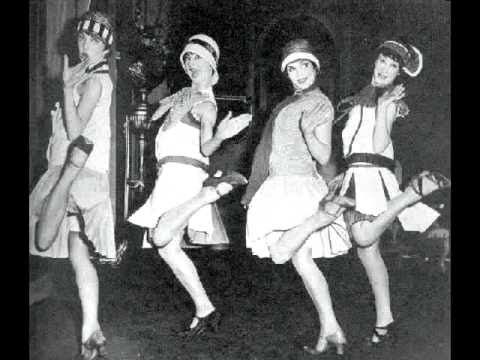
A young woman emerged during the 1920’s who was very different from ladies of the past in her appearance, attitude and behavior. She was called a flapper. She had bobbed hair and short skirts. She behaved in ways that many people called unladylike.


Check out the dance styles of the 1920's...


Women's fashion and image changed drastically during the 1920's... 


The 1920's was an era of Consumerism and mass advertising and, although men were reluctant to wear the new fashions, women wanted to see their men in modern, fashionable clothes that reflected their prosperity and position in society.

Fashion for Men wore well-tailored pinstriped suits, tuxedos, silk shirts and handkerchiefs, raccoon fur coats, fedora hats, suspenders, bow ties, black patent leather shoes and spats.

Credit: https://kidskonnect.com/history/roaring-twenties/ 

Comment on the Blog: If YOU lived during the 1920's what would be YOUR preferred outfit? :)

Henry Ford

Henry Ford was an American industrialist who revolutionized factory production with his assembly-line methods during the Roaring Twenties. 
The most important consumer product of the 1920s was the automobile. 

Low prices (the Ford Model T cost just $260 in 1924) and generous credit made cars affordable. 

In 1929, there was one car on the road for every five Americans. Motels and gas stations were created to serve the needs of this new mobile society.

Henry Ford and mass production not only revolutionized the auto industry but changed what life looked like for most Americans. In the 1920's the motorcar came to represent the American dream, by offering independence and adventure.


Watch the following this videos: 


Then comment on the BLOG: What is consumerism??

Sunday, November 15, 2015

1920's Consumerism

The rise of prosperity of the United States in 1920 led to the emergence of American Consumerism in the period in history known as the Roaring Twenties. 
Consumerism is the theory that it is economically attractive to encourage the attainment of goods and services in ever-increasing amounts. 
American Consumerism increased during the Roaring Twenties due to technical advances and innovative ideas and inventions in the areas of communication, transportation and manufacturing. Americans moved from the traditional avoidance of debt to the concept by buying goods on credit.

Mass advertising and marketing techniques via the 1920's newspapers and the radio saw a massive increase in sales via easy consumer credit.

What does Consumerism mean? 
Consumerism is the theory that an increasing expenditure on goods is economically desirable. American consumerism in the 1920's led to the preoccupation of the purchase of consumer goods


What is an example of Consumerism 1920s America?
An example of American Consumerism 1920s the purchase of automobiles. In the Roaring Twenties over 60% of Americans bought their automobiles on credit. Debt was not a worry - people believed that America, and the Stock Market, were invincible.

Watch this 3 minute video and Comment on the blog one fact that you learned. Try not to repeat a fact that has already been stated. 

Sunday, November 8, 2015

Roaring Twenties

The Roaring Twenties is the name given to the era in American history between the end of WW1 in 1918 and the beginning of the Great Depression in 1929. 
The "Roaring Twenties" ushered in the birth of a new, modern national lifestyle, as war-weary Americans wanted to enjoy themselves and began to value convenience and leisure over hard work and self-denial. The period of the Roaring Twenties witnessed many Political, Economic and Social changes. 

What Characterized the Roaring Twenties?


The Roaring Twenties era was characterized by technological advances and prosperity with new labor-saving inventions that led to the large scale use of automobiles, telephones, the radio, motion pictures and electricity. 


People challenged traditional ideas and the new morality glorified personal freedom, nonconformists and youth, personified by the fashions and lifestyles of the "flappers" who danced the Charleston to the new music of the Jazz Age in the city speakeasies.

Read through this website choosing NEXT at the bottom of the page until you get to page three. At the bottom of the page click: QUIZ TIME: 1920s Quiz. 

Comment on the blog how many questions out of ten that you got correct . Tell us one cool thing that you learned about the 1920's.
Credit: http://www.american-historama.org/1913-1928-ww1-prohibition-era/roaring-twenties.htm 

1920's Intro


Welcome to the 1920's!!

The 1920’s were a time of change in the United States. For the first time in history, more people were living in cities than in the country. The United States was also more wealthy than it had ever been.
The first movie theaters, called palaces, opened in 1915 in New York City. Historians estimate that by the end of the decade, three-quarters of the American population visited a movie theater every week.

Watch this Scholastic video (2 min) and this History Channel video (1.34) on the 1920's. 

Take a peek in the Dropbox for your famous person assignment. If you are asked to share a video upload it to this Dropbox. 

Log in information is: 
mmtvedt@gmail.com
nermal
Comment:  
Name an invention that changed life for those living in this era? Dont repeat an invention that one of your classmates has already mentioned! 

Monday, November 2, 2015

Flu pandemic of 1918


The influenza or flu pandemic of 1918 to 1919, the deadliest in modern history, infected an estimated 500 million people worldwide–about one-third of the planet’s population at the time–and killed an estimated 20 million to 50 million victims. 
More than 25 percent of the U.S. population became sick, and some 675,000 Americans died during the pandemic. The 1918 flu was first observed in Europe, the U.S. and parts of Asia before swiftly spreading around the world. Surprisingly, many flu victims were young, otherwise healthy adults. At the time, there were no effective drugs or vaccines to treat this killer flu strain or prevent its spread. 
In the U.S., citizens were ordered to wear masks, and schools, theaters and other public places were shuttered. Researchers later discovered what made the 1918 pandemic so deadly: In many victims, the influenza virus had invaded their lungs and caused pneumonia.
credit: http://www.history.com/topics/1918-flu-pandemic 


Watch this video on the Flu pandemic of 1918